Evaluating the Value of Watercolor Dreamy Fantasy Kids Clipart for Creative Projects
In the evolving landscape of digital design, the demand for high-quality, ready-to-use assets has grown significantly among small business owners, educators, and hobbyists. One specific niche that has captured considerable attention is Watercolor Dreamy Fantasy Kids Clipart. This style combines the soft, organic textures of traditional watercolor painting with whimsical, imaginative themes tailored for children’s media. For creators looking to enhance nursery decor, educational materials, or print-on-demand products, understanding the distinct characteristics of this asset type is crucial. It is not merely about acquiring images; it is about selecting resources that align with technical requirements, aesthetic goals, and licensing needs.
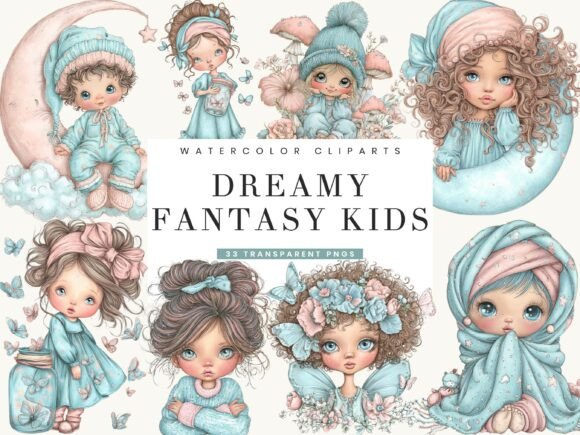
When evaluating a collection such as the 33 Watercolor Dreamy Fantasy Kids Clipart Bundle, it is essential to look beyond the surface appeal. The value lies in the versatility of the files, the resolution quality, and the uniqueness of the artistic approach. This article explores what defines this specific clipart style, how it compares to other digital art formats, and when it serves as the optimal choice for your creative workflow.
Defining the Aesthetic and Technical Standards
Watercolor art is characterized by its transparency, fluidity, and soft edges. When applied to digital clipart, these traits must be preserved while ensuring the files are functional for modern design software. Watercolor Dreamy Fantasy Kids Clipart typically features gentle color palettes, often utilizing pastels, muted earth tones, and ethereal highlights. The subjects usually include children interacting with fantasy elements such as stars, moons, clouds, unicorns, and floral motifs. The "dreamy" aspect refers to the atmospheric quality of the illustrations, which often lack harsh outlines, relying instead on color blending to define shapes.
From a technical perspective, the utility of these assets depends heavily on file format and resolution. High-quality bundles, like the aforementioned 33-piece collection, provide files in PNG format with transparent backgrounds. This is a critical feature for designers, as it allows for seamless layering over various backgrounds without the need for manual background removal. Furthermore, a resolution of 300 DPI (dots per inch) is the industry standard for printing. Without this level of detail, images may appear pixelated or blurry when scaled up for physical products such as t-shirts, posters, or greeting cards. Therefore, when assessing any clipart bundle, verifying these technical specifications is the first step in determining its professional viability.
Comparing Watercolor Styles to Vector and Flat Design Alternatives
To make an informed decision, it is helpful to compare watercolor clipart with other common digital art styles. Each style offers distinct advantages and limitations depending on the intended application.
- Vector Graphics: Vector files (such as SVG or AI) are mathematically defined, meaning they can be scaled infinitely without losing quality. They are ideal for logos and large-format signage. However, vectors often have a cleaner, more rigid appearance. They struggle to replicate the organic, textured feel of watercolor unless complex mesh gradients are used, which can increase file size and processing time. If your project requires a hand-painted, soft aesthetic, vector alternatives may feel too sterile or commercial.
- Flat Design: Flat illustrations use solid colors and simple shapes, devoid of texture or depth. This style is excellent for user interface design and infographics due to its clarity. Yet, for projects aiming to evoke emotion, warmth, or nostalgia—such as nursery decor or children’s storybooks—flat design may lack the necessary emotional resonance. Watercolor clipart fills this gap by providing a tactile, human touch that resonates with parents and educators.
- Photorealistic Images: While photos offer realism, they often require significant editing to fit into cohesive design themes. Matching lighting, color grading, and composition across multiple stock photos can be time-consuming. In contrast, a curated bundle of Watercolor Dreamy Fantasy Kids Clipart ensures visual consistency. All elements share the same artistic voice, making it easier to create harmonious compositions quickly.
The choice between these styles ultimately depends on the project’s tone. For a tech startup’s app interface, flat or vector designs are preferable. For a baby shower invitation or a children’s bedroom wall art, the softness of watercolor is often the superior choice.
Practical Applications and Best-Fit Scenarios
Understanding where these assets excel helps in maximizing their value. The versatility of the 33-design bundle allows for application across various mediums. Here are some practical scenarios where this specific style shines:
Nursery and Children’s Room Decor
The primary market for this clipart is interior design for young children. The soft colors and calming imagery are psychologically soothing, making them ideal for wall prints, mobile decorations, and bedding patterns. Because the files are high-resolution PNGs, they can be printed on canvas, metal, or acrylic without losing detail. Designers can mix and match elements—placing a child character next to a moon or star—to create custom scenes that fit specific room dimensions.
Print-on-Demand Products
For entrepreneurs running shops on platforms like Etsy, Amazon Merch, or Redbubble, unique designs are key to standing out. Sublimation printing on t-shirts, mugs, and tote bags benefits greatly from the transparent backgrounds provided in these bundles. The watercolor texture adds a premium, artisanal feel to merchandise, distinguishing it from mass-produced graphic tees. However, it is important to note that watercolor details may require careful color management during printing to ensure the subtle gradients translate accurately to fabric.
Educational and Storytelling Materials
Teachers and authors often seek engaging visuals for worksheets, flashcards, and self-published books. The whimsical nature of fantasy-themed clipart captures children’s attention without being overly distracting. These elements can be used to illustrate headers, borders, or character interactions in storybooks. The consistent style ensures that the book maintains a professional, cohesive look throughout.
Limitations and Considerations for Buyers
While Watercolor Dreamy Fantasy Kids Clipart offers numerous benefits, it is not a one-size-fits-all solution. Potential buyers should be aware of certain limitations to avoid dissatisfaction.
First, watercolor images are raster-based, meaning they have a fixed maximum size. Even at 300 DPI, enlarging a small clipart element beyond its original dimensions will result in pixelation. Designers must plan their layouts accordingly, ensuring that the native size of the PNG files is sufficient for their intended print size. If large-scale banners are required, vector alternatives might be safer, or the watercolor elements should be used as part of a larger collage rather than standalone focal points.
Second, the "dreamy" aesthetic relies on low contrast and soft edges. This can sometimes lead to visibility issues when placed on busy or dark backgrounds. To maintain legibility, designers often need to add subtle drop shadows, white strokes, or place the clipart on solid, light-colored backgrounds. This extra step in the design process is a tradeoff for the artistic style.
Finally, licensing terms vary between creators. While many bundles allow for commercial use in physical products, some may restrict usage in digital templates or require attribution. Always review the license agreement included with the 33 Watercolor Dreamy Fantasy Kids Clipart Bundle to ensure compliance with your specific business model.
Making the Right Choice for Your Project
Selecting the right design resources involves balancing aesthetic preference with practical functionality. If your goal is to create warm, inviting, and emotionally engaging content for children, Watercolor Dreamy Fantasy Kids Clipart is an excellent investment. The pre-made nature of these bundles saves hours of illustration time, allowing creators to focus on layout and marketing rather than drawing from scratch.
However, if your project requires strict brand consistency with bold, flat colors, or if you need infinite scalability for large-format advertising, you may need to supplement watercolor assets with vector graphics or commission custom illustrations. The key is to view these clipart bundles as tools within a broader design toolkit. They excel in specific contexts—particularly those requiring a human, handcrafted touch—and less so in others.
By carefully evaluating the technical specs, understanding the stylistic differences, and aligning the assets with your project’s goals, you can leverage these creative resources effectively. Whether you are designing a nursery theme, launching a new line of stationery, or creating educational content, the right clipart can elevate your work from generic to memorable. Support for small creative businesses also ensures a diverse ecosystem of artistic styles, encouraging innovation and variety in the design community.